
 Recommended On
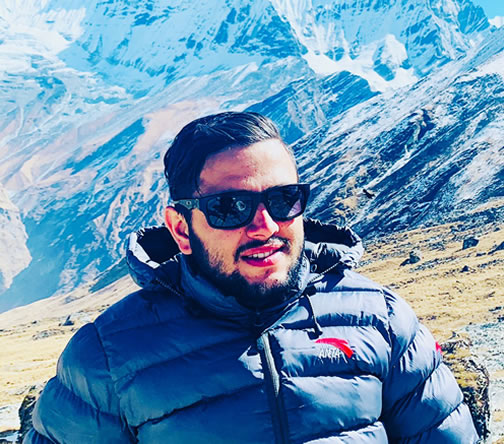
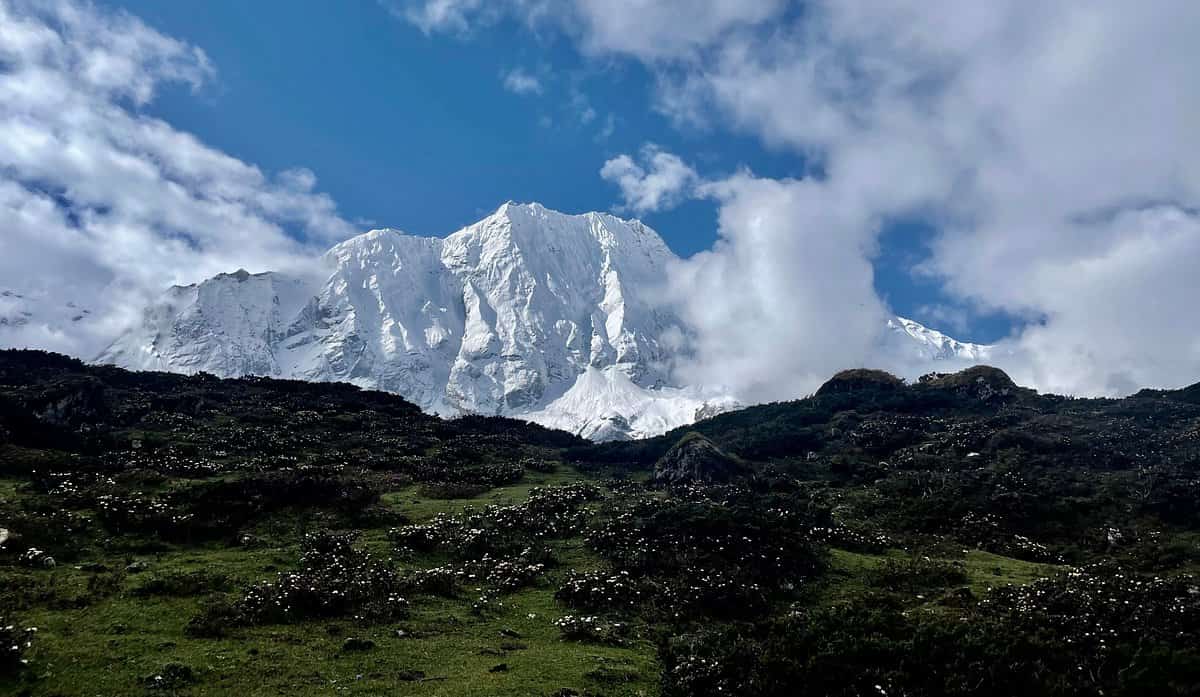
Spring trekking in Nepal combines stable mountain weather, blooming rhododendron forests, moderate daytime temperatures, and clear Himalayan visibility across many of the country’s most famous trekking routes. During March, April, and May, trails across Everest, Annapurna, Langtang, and Manaslu become especially active because conditions remain comfortable for both beginner and experienced trekkers.
The Nepal spring trekking season sits between winter snowstorms and summer monsoon rain. This creates some of the year’s best trekking conditions for tea house trekking, mountain photography, and high-altitude trekking. Morning visibility often remains extremely clear before afternoon clouds begin forming later in the day.
Spring Himalayan trekking also feels visually different from autumn. Forests below 4,000 meters become colorful with blooming rhododendrons, green hillsides, and flowering alpine vegetation. Routes like Ghorepani Poon Hill, Mardi Himal Trek, and Annapurna Base Camp Trek become especially popular during peak bloom periods in April.
At World Expedition Nepal, spring remains one of the busiest trekking seasons because many trekkers prefer warmer temperatures, stable trail conditions, and reliable mountain visibility. This guide explains the best spring treks in Nepal, spring weather patterns, altitude conditions, trail conditions, and how to choose the right Himalayan trekking route during the spring season.
Why Is Spring One of the Best Seasons for Trekking in Nepal?
Spring trekking in Nepal is popular because the season combines stable weather, blooming forests, moderate temperatures, and clear Himalayan mountain visibility.
Why does spring weather work well for trekking?
Spring weather in Nepal trekking conditions usually remain stable between March and early May. Mornings are often clear with strong mountain visibility, while daytime temperatures stay more comfortable than winter trekking conditions.
At lower elevations like Pokhara and Kathmandu, daytime temperatures usually range between 18°C and 27°C during April. Higher trekking villages above 4,000 meters remain much colder, especially during mornings and nights.
Why are rhododendron treks in Nepal so popular in spring?
Spring transforms many mid-altitude trekking forests across the Annapurna and Langtang regions into colorful rhododendron landscapes. Red, pink, and white rhododendron blooms cover hillsides between 2,500 and 4,000 meters.
Routes like Ghorepani Poon Hill Trek and Mardi Himal Trek become especially scenic during peak bloom season between late March and mid-April.
Why do both beginners and experienced trekkers prefer spring?
Beginners usually enjoy spring because trail conditions feel safer and temperatures remain more moderate than in winter. Experienced hikers often prefer spring because high mountain passes become more accessible after winter snow begins melting.
Tea house availability also improves during spring because most trekking routes operate fully during the main Nepal trekking season.
Why is mountain visibility usually good during spring?
Clear mornings are common during spring because monsoon moisture has not yet entered the Himalayan weather system.
Visibility around Everest Base Camp Trek, Annapurna Base Camp Trek, and Langtang Valley Trek often remains strongest during early morning hours before cloud buildup later in the afternoon.
What Do Spring Trekking Conditions Feel Like in Nepal?
Spring trekking conditions in Nepal usually include clear mornings, moderate daytime temperatures, cold mountain nights, and occasional afternoon cloud buildup.
How do temperatures change with elevation?
Spring temperatures vary significantly depending on altitude. Lower trekking areas feel warm during the daytime, while higher villages above 4,000 meters still experience freezing nights.
For example:
-
Namche Bazaar daytime temperatures in April often reach 10°C to 15°C
-
Gorakshep mornings near Everest Base Camp frequently drop below -8°C
-
Dharamsala near Larkya La Pass can reach -10°C before sunrise during early spring
What do spring trail conditions usually look like?
Most spring trekking routes remain dry and stable below major high passes. Lower forest trails feel comfortable and easier to walk compared to muddy monsoon conditions.
Higher-altitude sections near Thorong La Pass or Larkya La Pass may still contain snow patches during March and early April.
Why do afternoons feel different from mornings?
Spring mornings in Nepal often provide excellent Himalayan visibility. By late afternoon, warmer temperatures increase cloud buildup across many trekking regions.
Trekkers usually begin walking early because mountain views remain clearest before midday weather changes begin developing.
How crowded do spring trekking routes become?
Popular spring trekking routes become busy during April, especially:
-
Everest Base Camp Trek
-
Annapurna Base Camp Trek
-
Ghorepani Poon Hill Trek
-
Mardi Himal Trek
Tea houses in popular villages sometimes fill quickly during peak weeks.
Everest Base Camp Trek in Spring
Everest Base Camp Trek is one of the best spring treks in Nepal because spring weather improves mountain visibility and creates safer trekking conditions.
Why is spring one of the best Everest trekking seasons?
Spring provides:
-
clearer mountain mornings
-
moderate daytime temperatures
-
stable weather conditions
-
stronger tea house logistics
-
better trail accessibility
The Everest expedition climbing season also begins during April and May, which creates an energetic atmosphere throughout the Khumbu region.
What weather conditions should trekkers expect?
Spring daytime temperatures around Namche Bazaar usually range between 10°C and 15°C during April. However, Lobuche and Gorakshep remain significantly colder at night.
Morning temperatures near Kala Patthar often drop below -10°C before sunrise.
Why does Everest feel especially scenic during spring?
Lower sections below Namche Bazaar include blooming rhododendron forests, greener hillsides, and clear views of Ama Dablam, Thamserku, and Mount Everest.
Spring visibility around Tengboche Monastery often becomes excellent during early mornings.
Who should choose the Everest Base Camp during the spring?
Everest Base Camp Trek suits trekkers wanting:
-
iconic Himalayan scenery
-
strong tea house infrastructure
-
stable trekking weather
-
clear mountain views
-
active trekking atmosphere
Spring works especially well for first-time Everest trekkers.
Annapurna Base Camp Trek in Spring
Annapurna Base Camp Trek becomes one of Nepal’s best rhododendron treks during spring because forests bloom across the lower Annapurna region.
Why does spring transform the Annapurna region?
Spring forests near Chhomrong, Sinuwa, and Deurali become colorful with rhododendron blooms and green vegetation after winter.
This creates much more vibrant landscapes than autumn trekking conditions.
What temperatures should trekkers expect?
Lower villages remain warm during the daytime, while Annapurna Base Camp mornings still feel cold because of altitude exposure inside the Annapurna Sanctuary.
Morning temperatures at ABC during April often range between -5°C and -8°C before sunrise.
Why does ABC suit beginners during spring?
Annapurna Base Camp Trek combines:
-
comfortable tea houses
-
manageable trekking distances
-
stable spring trail conditions
-
moderate altitude gain
The route also avoids difficult technical pass crossings.
Why is spring visibility strong around Annapurna?
Morning views of Annapurna I, Machhapuchhre, Hiunchuli, and Annapurna South usually remain clear before afternoon cloud buildup develops.
Spring photography conditions often become excellent during sunrise hours.
Manaslu Circuit Trek in Spring
Manaslu Circuit Trek is one of Nepal’s best remote spring treks because visibility improves after winter, while trails remain quieter than in autumn.
Why do experienced trekkers prefer Manaslu in spring?
Spring conditions on Manaslu often provide:
-
clearer mountain visibility
-
lower crowd levels
-
more stable weather
-
improved trail access after winter
The route still feels more remote than the Everest or Annapurna trekking regions.
What conditions exist at Larkya La Pass during spring?
Larkya La Pass at 5,106 meters often contains snow during March and early April.
Crossing days usually begin around 3:30 AM because trekkers need enough time to cross before afternoon wind exposure increases.
Pass day temperatures frequently fall below -10°C before sunrise.
Why does spring help visibility on Manaslu?
Winter haze disappears during spring, creating stronger visibility around Manaslu, Himlung Himal, and the surrounding Himalayan peaks.
Morning mountain photography conditions often become excellent above Samagaon.
Who should choose Manaslu during spring?
Manaslu Circuit Trek suits trekkers wanting:
-
remote Himalayan trekking
-
fewer crowds
-
longer trekking itineraries
-
restricted-area trekking experience
-
serious high-altitude trekking
This route works better for intermediate and experienced hikers.
Mardi Himal Trek in Spring
Mardi Himal Trek becomes one of Nepal’s best short spring treks because ridge-line trails combine rhododendron forests with clear Machhapuchhre visibility.
Why is Mardi Himal popular during spring?
Spring conditions create:
-
colorful forest landscapes
-
stable weather
-
comfortable temperatures
-
strong mountain visibility
The route also remains shorter than Everest or Annapurna Circuit trekking itineraries.
Why do photographers enjoy Mardi Himal in spring?
Ridge-line viewpoints provide panoramic views of:
-
Machhapuchhre
-
Annapurna South
-
Hiunchuli
-
Mardi Himal
Morning visibility during April often feels exceptionally clear.
What trekking conditions should beginners expect?
The trail remains moderate in difficulty with comfortable tea house trekking infrastructure throughout most sections.
However, upper ridge areas still become cold and windy during mornings.
Why does Mardi feel different from Annapurna Base Camp?
Mardi Himal Trek feels quieter and more ridge-focused compared to the forest-and-valley structure of Annapurna Base Camp Trek.
Many trekkers also prefer Mardi for shorter spring trekking holidays.
Langtang Valley Trek in Spring
Langtang Valley Trek combines moderate altitude, blooming forests, and quieter Himalayan trekking conditions during spring.
Why does Langtang feel quieter than Everest or Annapurna?
Langtang receives fewer trekkers than the Everest Base Camp or Annapurna Base Camp routes during the peak spring season.
This creates a more relaxed tea house trekking atmosphere throughout the valley.
What spring scenery makes Langtang special?
Spring forests near Lama Hotel and Ghodatabela become green and colorful with flowering rhododendrons and alpine vegetation.
Mountain villages also feel especially scenic during clear spring mornings.
What temperatures should trekkers expect?
Kyanjin Gompa daytime temperatures during April usually range between 5°C and 12°C.
Nights remain much colder because of altitude exposure near the surrounding glaciers.
Why is Langtang good for moderate-altitude trekking?
Langtang Valley Trek offers:
-
moderate altitude exposure
-
accessible road transportation
-
shorter trekking itineraries
-
comfortable tea house logistics
This makes it suitable for many beginner and intermediate trekkers.
Annapurna Circuit Trek in Spring
Annapurna Circuit Trek becomes especially attractive during spring because high mountain passes become more accessible after winter.
Why does spring work well for the Annapurna Circuit?
Spring conditions improve:
-
Thorong La Pass accessibility
-
trail stability
-
mountain visibility
-
tea house operations
Long-distance trekking conditions generally become more reliable after winter snow begins melting.
What conditions exist at Thorong La Pass?
Thorong La Pass reaches 5,416 meters and still experiences freezing mornings during spring.
Most crossing days begin around 4:00 AM to avoid afternoon weather changes and stronger winds.
Why do experienced trekkers enjoy the Annapurna Circuit during spring?
The route combines:
-
forests
-
river valleys
-
alpine terrain
-
desert landscapes
-
high mountain passes
This creates one of Nepal’s most geographically diverse trekking experiences.
Why does the route feel visually different in spring?
Lower sections near Ghorepani and Manang become greener and more colorful during spring compared to dry autumn conditions.
Snow-capped peaks also remain visually dramatic above blooming valleys.
Upper Mustang Trek in Spring
Upper Mustang becomes one of Nepal’s best late-spring trekking regions because its rain-shadow climate stays dry before the monsoon begins elsewhere.
Why does Upper Mustang stay drier than other regions?
Upper Mustang sits inside the Himalayan rain-shadow region north of the Annapurna range.
This blocks much of the monsoon moisture affecting central Nepal trekking routes.
Why is late spring ideal for Mustang?
Late spring conditions often provide:
-
dry trails
-
warm daytime temperatures
-
stable visibility
-
comfortable trekking conditions
May remains especially popular for Upper Mustang trekking.
What landscapes make Mustang unique?
Upper Mustang feels dramatically different from greener trekking regions because:
-
terrain appears dry and desert-like
-
Tibetan culture remains strong
-
cliffs and caves dominate landscapes
The scenery feels closer to Tibetan plateau environments than typical Himalayan forests.
Who should choose Upper Mustang during spring?
Upper Mustang suits trekkers wanting:
-
cultural trekking
-
dry spring conditions
-
moderate altitude exposure
-
unique desert landscapes
-
restricted-area trekking experience
Ghorepani Poon Hill Trek in Spring
Ghorepani Poon Hill Trek is one of Nepal’s best rhododendron treks during spring because the forests bloom heavily during April.
Why does Poon Hill become so popular in spring?
Spring transforms forests near Ghorepani into colorful rhododendron landscapes with:
-
red blooms
-
pink blooms
-
white blossoms
-
green hillsides
The scenery becomes especially attractive for beginner trekkers and photographers.
What mountain views make Poon Hill famous?
Poon Hill sunrise viewpoints provide panoramic visibility of:
-
Dhaulagiri
-
Annapurna South
-
Machhapuchhre
-
Hiunchuli
Clear spring mornings often create excellent sunrise photography conditions.
Why is Poon Hill suitable for beginners?
The route involves:
-
lower altitude exposure
-
shorter trekking duration
-
strong tea house infrastructure
-
accessible logistics
This makes it one of Nepal’s easiest spring trekking routes.
Why does April become crowded?
The peak rhododendron bloom season attracts many trekkers during April.
Tea houses near Ghorepani often become busy during major spring trekking weeks.
Which Spring Trek in Nepal Is Best for You?
The best spring trek in Nepal depends on trekking experience, altitude comfort, preferred scenery, and desired trekking duration.
|
Trek Goal |
Recommended Spring Trek |
|
Best for beginners |
Ghorepani Poon Hill Trek |
|
Best for Everest views |
Everest Base Camp Trek |
|
Best rhododendron forests |
Annapurna Base Camp Trek |
|
Best short spring trek |
Mardi Himal Trek |
|
Best remote trek |
Manaslu Circuit Trek |
|
Best moderate-altitude trek |
Langtang Valley Trek |
|
Best dry late-spring trek |
Upper Mustang Trek |
|
Best for high passes |
Annapurna Circuit Trek |
Which trek is best for first-time Nepal visitors?
Annapurna Base Camp Trek and Ghorepani Poon Hill Trek work especially well for first-time Nepal trekkers because logistics remain easier and trekking difficulty stays moderate.
Which trek is best for mountain photography?
Everest Base Camp Trek and Mardi Himal Trek often provide the strongest spring mountain photography opportunities because of clear ridge-line visibility and dramatic Himalayan panoramas.
Which trek feels quietest during spring?
Langtang Valley Trek and Manaslu Circuit Trek generally feel less crowded than the Everest or Annapurna Base Camp routes during the peak spring season.
Which trek suits experienced hikers best?
Experienced trekkers usually prefer:
-
Manaslu Circuit Trek
-
Annapurna Circuit Trek
-
Everest Base Camp Trek
-
Upper Mustang Trek
These routes involve longer itineraries and greater altitude exposure.
Spring Weather by Month in Nepal
Spring trekking weather changes noticeably between March, April, and May because temperatures gradually rise before the monsoon season begins.
What does trekking in Nepal during March feel like?
March still feels cool at higher elevations, especially near major mountain passes.
Snow remains more common during early spring, but mountain visibility often becomes exceptionally clear after winter weather systems pass.
Why is April the peak spring trekking month?
April combines:
-
peak rhododendron bloom
-
stable weather patterns
-
moderate temperatures
-
excellent Himalayan visibility
Most popular trekking routes become busiest during this month.
What changes during the May trekking?
May becomes warmer across lower trekking regions before monsoon moisture gradually increases.
Afternoon cloud buildup becomes more common, especially near the Annapurna and Everest regions.
Which month is best overall?
April usually offers the best balance of:
-
weather stability
-
blooming forests
-
visibility
-
trail accessibility
-
comfortable temperatures
This makes April Nepal’s most popular spring trekking month.
What Should You Pack for Spring Treks in Nepal?
Spring trekking gear in Nepal should prepare trekkers for warm daytime conditions, freezing mornings, and changing mountain weather.
Why is layering important during spring trekking?
Spring temperatures change quickly between valleys and higher-altitude villages.
Trekkers usually need:
-
moisture-wicking base layers
-
fleece insulation
-
down jackets
-
waterproof outer shells
Morning conditions above 4,000 meters remain cold even during April.
What sleeping bag rating works for spring trekking?
Trekkers heading above 4,000 meters should usually carry sleeping bags rated between:
-
-10°C
-
and -15°C comfort range
Higher villages near Everest Base Camp and Larkya La Pass remain especially cold overnight.
What gear do trekkers often underestimate during spring?
Many trekkers underestimate:
-
UV exposure
-
sunburn risk
-
cold mornings
-
wind exposure at altitude
Sunglasses, sunscreen, gloves, and proper layers remain essential during spring Himalayan trekking.
Why should backpacks stay lightweight?
Warm daytime conditions sometimes encourage trekkers to overpack unnecessary clothing.
Keeping backpacks lighter improves energy management during long uphill trekking days.
Why Spring Feels Different From Autumn Trekking in Nepal
Spring and autumn are both excellent trekking seasons in Nepal, but the landscapes, temperatures, and trail atmosphere feel noticeably different.
Why do landscapes look different in spring?
Spring landscapes appear greener and more colorful because forests bloom after winter.
Autumn trekking usually feels drier and less colorful at lower elevations.
Why do temperatures feel warmer during spring?
Spring daytime temperatures usually feel warmer than autumn, especially below 3,500 meters.
However, higher-altitude mornings still remain cold throughout both seasons.
Why do some trekkers prefer autumn instead?
Autumn often provides:
-
slightly clearer visibility
-
lower cloud buildup
-
more stable long-range weather
This makes autumn especially popular for high mountain photography.
Why do others prefer spring?
Many trekkers prefer spring because:
-
forests bloom
-
temperatures feel more comfortable
-
landscapes appear more vibrant
-
trekking atmosphere feels livelier
Spring Himalayan trekking often feels visually richer than autumn.
Common Mistakes Trekkers Make During the Spring Season
Many trekkers underestimate changing temperatures, UV exposure, and spring crowds during Nepal’s busiest trekking season.
Why do trekkers underestimate UV exposure?
High-altitude UV intensity becomes extremely strong during clear spring mornings.
Sunburn and dehydration often develop quickly above 3,500 meters without proper protection.
Why do crowded routes create logistical problems?
Popular tea house trekking routes sometimes become fully booked during the April peak season.
Trekkers without planning occasionally struggle to find preferred accommodation in busy villages.
Why do changing temperatures cause packing mistakes?
Warm daytime weather sometimes causes trekkers to underpack insulation layers.
However, early mornings above 4,000 meters still become freezing during spring.
Why should trekkers still respect altitude?
Stable weather does not reduce altitude risk.
Many trekkers feel overly comfortable during clear spring conditions and ascend too aggressively without proper acclimatization.
Expert Recommendations From Local Trekking Guides
Experienced local Himalayan guides recommend early starts, realistic pacing, and proper altitude planning during Nepal’s spring trekking season.
Why should trekkers start walking early?
Morning conditions usually provide:
-
clearest mountain visibility
-
lower wind exposure
-
cooler temperatures
-
more stable weather
Afternoon cloud buildup often reduces visibility later in the day.
Why does route selection matter during spring?
Not every spring trek suits every experience level.
Beginners generally perform better on moderate routes like:
-
Ghorepani Poon Hill
-
Langtang Valley
-
Annapurna Base Camp
More demanding routes require stronger endurance and altitude experience.
Why does weather flexibility remain important?
Even during stable spring weather, Himalayan conditions still change quickly.
Snowfall, cloud buildup, and wind exposure occasionally affect higher-altitude routes unexpectedly.
Why does acclimatization still matter during spring?
Clear weather sometimes makes altitude feel deceptively manageable during early trekking days.
However, acclimatization remains critical above 3,500 meters regardless of season.
Explore Nepal’s Best Spring Treks With World Expedition Nepal
At World Expedition Nepal, spring trekking itineraries are planned around seasonal weather patterns, altitude pacing, tea house logistics, and realistic trekking conditions.
Experienced local trekking teams help trekkers choose routes based on:
-
trekking experience
-
altitude comfort
-
trip duration
-
crowd preference
-
photography goals
-
and seasonal mountain conditions
Support is also available for:
-
domestic flights
-
jeep transportation
-
local guide arrangements
-
accommodation planning
-
and updated trail information during the spring season
For trekkers planning Himalayan trekking in March, April, or May, route selection and seasonal timing often make a major difference in overall trekking experience.
FAQs
Which is the best spring trek in Nepal?
Everest Base Camp Trek and Annapurna Base Camp Trek remain two of the best spring treks in Nepal because of stable weather and strong mountain visibility.
Is spring better than autumn for trekking in Nepal?
Spring offers blooming forests and warmer temperatures, while autumn usually provides slightly clearer long-range mountain visibility.
Which month is best for spring trekking in Nepal?
April is usually considered the best month because rhododendron forests bloom fully and the weather remains stable.
Are rhododendrons blooming during spring treks?
Yes. Rhododendron forests usually bloom between late March and mid-April across the Annapurna and Langtang regions.
Is Everest Base Camp good in spring?
Yes. Spring is one of the best Everest trekking seasons because visibility improves and the weather remains relatively stable.
Which spring trek is best for beginners?
Ghorepani Poon Hill Trek and Annapurna Base Camp Trek are among Nepal’s best beginner-friendly spring trekking routes.
Does it snow during spring trekking in Nepal?
Yes. Higher mountain passes like Thorong La Pass and Larkya La Pass may still contain snow during March and early April.
Are tea houses crowded during the spring season?
Popular trekking routes often become busy during the April peak trekking weeks.
What should I pack for spring trekking in Nepal?
Trekkers should pack layered clothing, waterproof gear, sunglasses, sunscreen, gloves, and warm sleeping systems for higher elevations.
Which spring trek has the best mountain views?
Everest Base Camp Trek, Mardi Himal Trek, and Annapurna Base Camp Trek offer some of Nepal’s best spring mountain views
